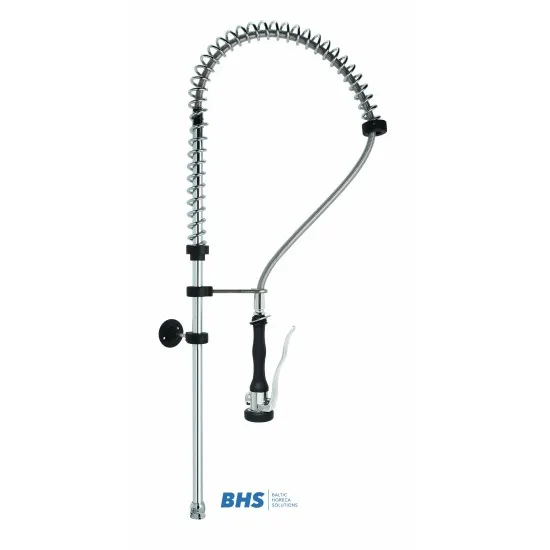
ERA pre-rinse faucets in commercial kitchens
ERA pre-rinse faucets help kitchens work efficiently in situations that require intensive rinsing before loading dishes into dishwashers. Restaurants, catering companies and production kitchens typically use them for pre-rinsing cookware, cleaning fresh produce and maintaining work surfaces. The shape of the spray and adjustable flow allow staff to tailor the water pressure to different tasks, ensuring smooth workflow even during peak hours. ERA constructions are usually designed to withstand constant movement and frequent load changes in washing zones.
Construction and key functions
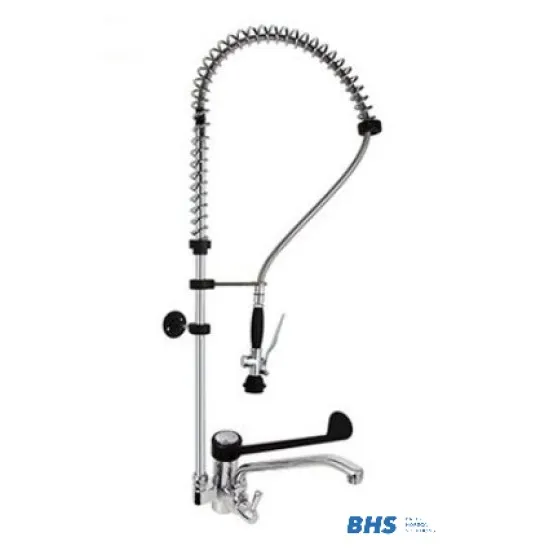
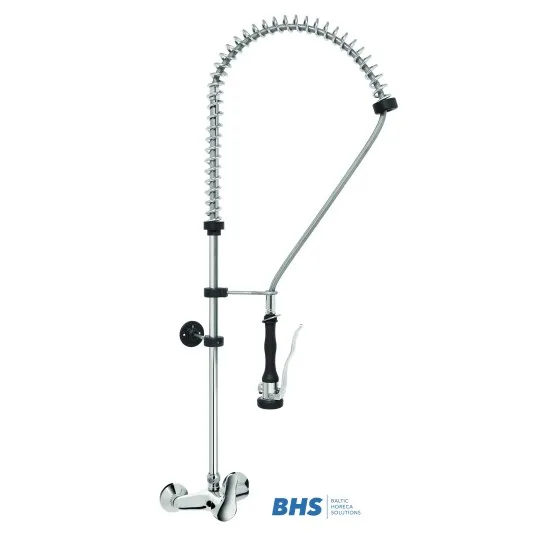
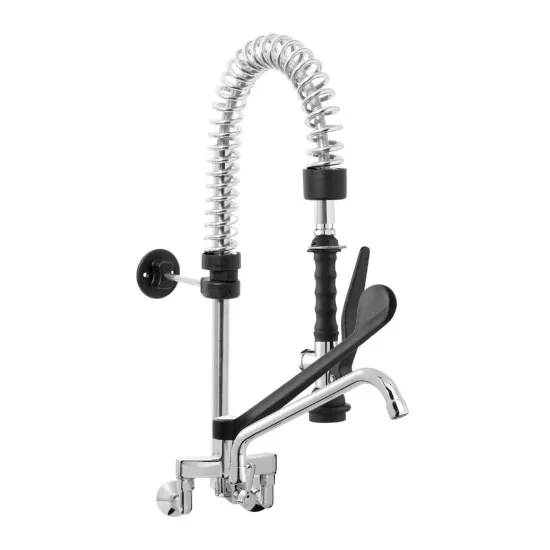
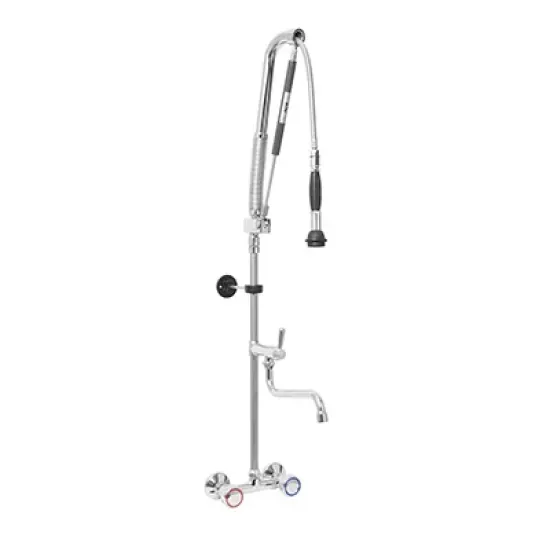
Pre-rinse faucets consist of a flexible hose, a spring mechanism and a spray head that delivers a concentrated jet for efficient rinsing. Stainless steel components commonly ensure strong resistance to corrosion, which is vital in humid and intensive work environments. The spray head usually includes a switch for different flow modes so staff can quickly adjust it to their needs. The faucet provides hot and cold water control, important both for rinsing off grease and treating ingredients gently. Wall- or deck-mounted options add stability depending on the model.
Model variations and use cases
Some ERA models are designed for deck mounting, while others attach to the wall for greater flexibility in larger washing areas. Taller models suit deep sinks and large pots, while compact versions work well in smaller prep stations. Kitchens typically choose a hose length that reaches both the bottom of the sink and adjacent work surfaces. Production kitchens often use these faucets for initial rinsing of vegetables or raw materials where a strong jet and controlled movement are required. Versions combining a pre-rinse unit with an additional spout can help save time in daily routines.
Key selection criteria for professional kitchens
Hose length is an important factor, typically ranging from 1.0–1.5 m to allow easy movement around the sink. The ergonomics of the spray head matter, as it is used repeatedly throughout the shift. Stainless steel parts often ensure durability, while plastic components may be lighter but can wear more quickly. It is useful to check the mounting type and how the faucet fits existing sink equipment.
- Mounting type and compatibility with the sink
- Spray head ergonomics and convenient mode switching
- Hose length and flexibility for intensive use
- Material resistance to corrosion and frequent bending
Operation and maintenance
Pre-rinse faucets require regular wiping to prevent mineral buildup on the spray head and moving parts. The flexible hose may suffer from frequent bending, so monitoring its condition helps avoid cracks. A strong jet keeps the sink clean, although excessive pressure can cause splashing in strict hygiene environments. Professional kitchens usually follow a maintenance schedule that includes checking seals and moving joints.
- Regular removal of deposits from the spray head
- Inspection of seals and moving joints
- Avoiding sharp hose bends
- Maintaining stable water temperature to reduce thermal stress
BHS service and technical support
BHS provides professional technical support for pre-rinse faucets used in dishwashing zones, prep rooms and other high-intensity commercial kitchen environments. Specialists assist with choosing suitable models, installation and operational guidance. BHS also supplies a wide range of spare parts for ERA and other brands, ensuring fast delivery throughout Europe.
Frequently asked questions about ERA pre-rinse faucets
How to choose the right hose length for a professional kitchen?
A suitable hose length is usually 1.0–1.5 m, providing enough reach for the sink bottom and nearby areas. The choice depends on sink depth and the layout of the washing zone.
Can ERA pre-rinse faucets be mounted on both the wall and the sink deck?
Some models are designed for deck mounting, while others attach to the wall. The appropriate option depends on space layout and usage intensity.
Which materials ensure the best durability in intensive washing zones?
Stainless steel typically ensures excellent resistance to corrosion and frequent bending, while plastic parts may be lighter but generally wear out faster.
How to maintain the spray head to keep the water jet even?
Regular cleaning and removal of deposits help maintain an even spray. It is important to check the nozzles and moving parts that may clog under heavy use.
What to do if the faucet starts leaking at the joints?
Checking the seals and tightening the connection usually helps. If the issue persists, contacting a service technician is recommended.