

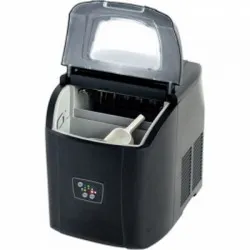

Article number: 871101
manual water filling
electronic control panel
performance up to 12 kg per day
ice container..
Ir pieejams
229.50€
with VAT: 277.70€
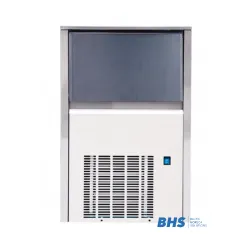
-250x250h.webp "Ice generator SS 25W 24KG/24H")
Article number: SS25
After assessing the placement of your equipment, the BHS service engineer will select the most suita..
Ir pieejams
889.00€
with VAT: 1,075.69€
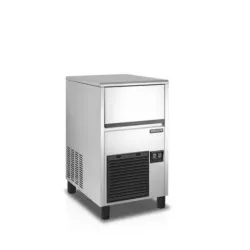
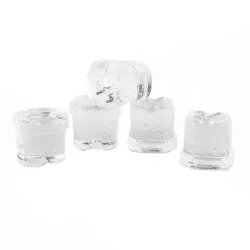
Article number: TC26
Transparent ice generator made of stainless steel
This makes the machine ideal for use in cafes, ..
Ir pieejams
1,039.00€
with VAT: 1,257.19€
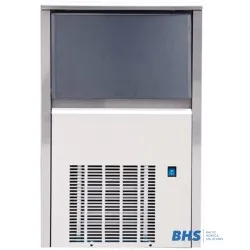

Article number: SS35
After assessing the placement of your equipment, the BHS service engineer will select the most suita..
Ir pieejams
1,119.00€
with VAT: 1,353.99€
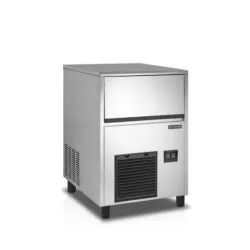
Article number: TC37
Transparent ice generator made of stainless steel
This makes the machine ideal for use in cafes, ..
Ir pieejams
1,269.00€
with VAT: 1,535.49€
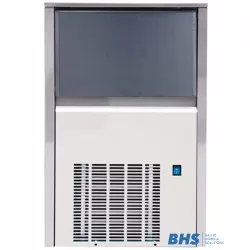

Article number: SS45
After assessing the placement of your equipment, the BHS service engineer will select the most suita..
Ir pieejams
1,299.00€
with VAT: 1,571.79€
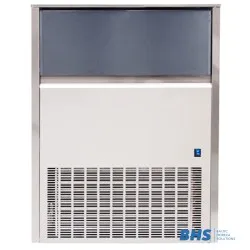

Article number: SS75
After assessing the placement of your equipment, the BHS service engineer will select the most suita..
Ir pieejams
1,539.00€
with VAT: 1,862.19€
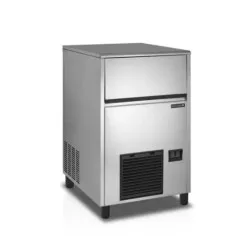
Article number: TC57
Transparent ice generator made of stainless steel
This makes the machine ideal for use in cafes, ..
Ir pieejams
1,579.00€
with VAT: 1,910.59€
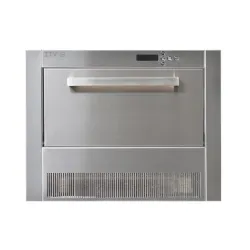
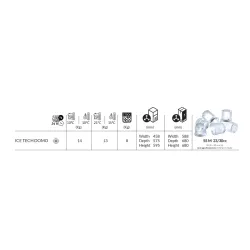
Article number: 53014U
12 ice cubes every 38 minutes
Programmed on/off function
Front and rear ventilation
Anti-ca..
Ir pieejams
1,729.00€
with VAT: 2,092.09€


Article number: SS80
After assessing the placement of your equipment, the BHS service engineer will select the most suita..
Ir pieejams
1,819.00€
with VAT: 2,200.99€
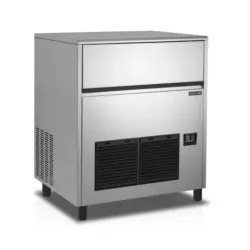
Article number: TC85
Transparent ice generator made of stainless steel
This makes the machine ideal for use in cafes, ..
Ir pieejams
1,929.00€
with VAT: 2,334.09€
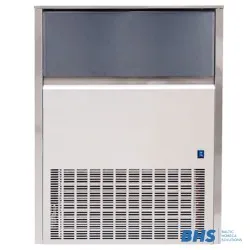

Article number: SS135
After assessing the placement of your equipment, the BHS service engineer will select the most suita..
Ir pieejams
2,159.00€
with VAT: 2,612.39€
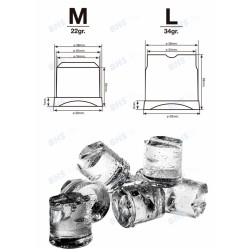
Article number: SS150
After assessing the placement of your equipment, the BHS service engineer will select the most suita..
Ir pieejams
2,689.00€
with VAT: 3,253.69€
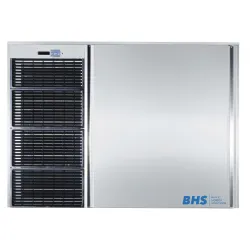
Article number: SS400
After assessing the placement of your equipment, the BHS service engineer will select the most suita..
Ir pieejams
5,189.00€
with VAT: 6,278.69€
Showing 1 to 14 of 14 (1 Pages)
